
From "Souls-like" to "Metroidvania": do game labels still help?
Genre tags sell games and mislead buyers. Player slang is often sharper than store categories.

When a label becomes a road sign
"Souls-like" started as player shorthand, the same way "Metroidvania" did years earlier. Indie developer Michael says tagging his project Souls-like tripled Steam visibility, but also pulled in players expecting brutal difficulty his game never promised.
Tags help discovery. They also set expectations you may not want.
Hybrid games break the bins
Titles that mix exploration, roguelike runs, and puzzle logic get filed differently on every storefront. A player hunting one ingredient may skip a great game because the label points the wrong way.
Calling a fusion dish only "spicy" or only "sweet" misses the point.
Community tags are often clearer
Forums already use finer phrases: "gentle Souls-like" for Outer Wilds, "2D Souls-like platformer" for Hollow Knight, "horror Metroidvania" for Blasphemous. Those local names describe the experience faster than a single official genre.
The developer tradeoff
ANNO: Mutationem producer David said a niche tag like "cyberpunk Devil May Cry" would attract hardcore fans quickly and scare off everyone else. His team leaned on broader "action adventure" marketing and let specifics surface in reviews.
Multi-tag systems could help
Music apps allow several genre tags on one track. Game stores could do the same. Noita already mixes physics sandbox, roguelike, and action labels, which helps different audiences find the same project.
Some games should stay hard to classify
Undertale, Disco Elysium, and Baba Is You succeeded partly because they refused to sit neatly on one shelf. The interesting work often arrives before the vocabulary does.
Labels are useful shortcuts, not verdicts. When a game looks odd on paper, that is sometimes the selling point.
Explore on Nextupdates Games
Ready to play? Browse free HTML5 games or read more guides.
Articles on Nextupdates Games are written by our editorial team for entertainment and general education. They are independent editorial content and are not required to link to a specific game on this site. Illustrations are sourced from licensed stock libraries (e.g. Unsplash, Pexels) as credited in captions.
More to read

Digital legacy: where does your Steam inventory go when you stop logging in?
Steam libraries, skins, and saves outlive the people who built them. Platform rules, family headaches, and how players plan ahead.
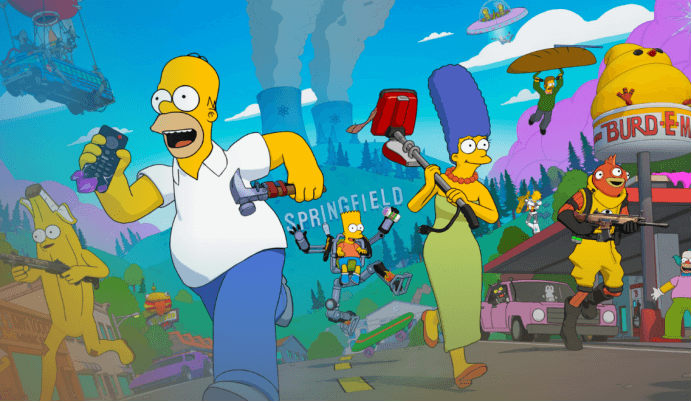
More than a game: how Roblox and Fortnite became hangout spaces for Gen Z
Skins, emotes, and custom maps are how many teens meet friends now. Parents are still catching up to that.
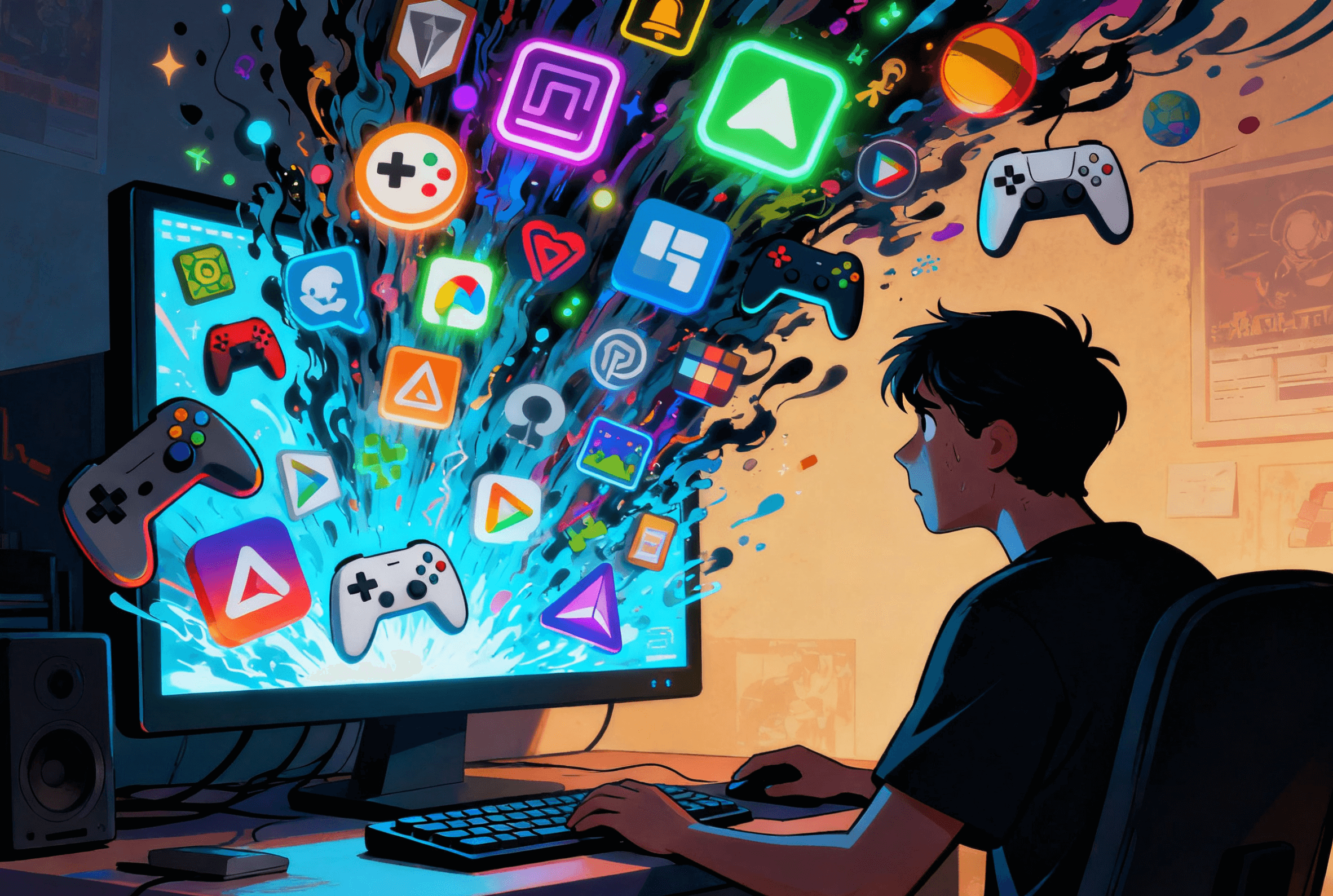
Backlog anxiety: a full library and nothing you want to play
Sale hauls, FOMO, and too many icons on the home screen. Why a packed library can feel like an empty one.
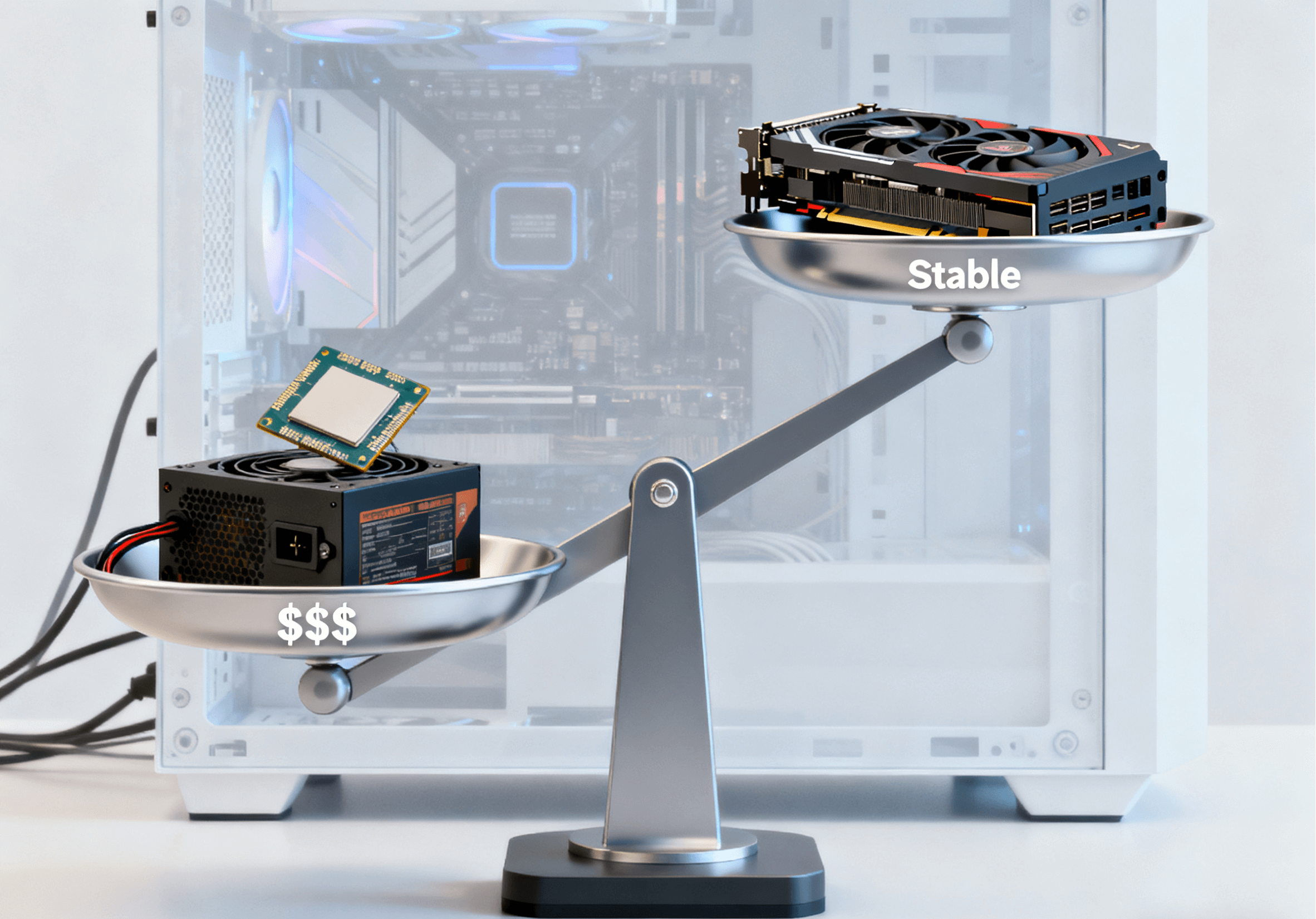
Building a gaming PC in 2025: CPUs and power supplies took the budget
GPU prices cooled off, but strong processors and reliable PSUs now eat the build budget. What changed and how to plan.