
Digital legacy: where does your Steam inventory go when you stop logging in?
Steam libraries, skins, and saves outlive the people who built them. Platform rules, family headaches, and how players plan ahead.

Friends who never come back online
In Brandon's Steam friend list, one gray avatar has stayed dark for three years. He and that friend once planned to finish It Takes Two together. The plan stopped in the spring of 2021. Every time Brandon opens his library, he wonders what happens to the skins, achievements, and hours stored under an account that will not log in again.
What the platform terms actually say
Steam's subscriber agreement puts it plainly: account rights are not transferable. Legally, the games you bought are closer to a long rental than ownership. One player put it bluntly: "I thought I was buying games. I was buying access tickets."
That distinction matters when someone dies or walks away for good. The account does not automatically pass to a spouse or child.
When families hit a wall
After her husband died, Ms. Li could not open his account. Their Stardew Valley farm and Monster Hunter characters sat behind a password she did not know. Customer support asked for proof she felt awkward submitting, and the process stalled.
She was not trying to sell anything. She wanted the saves that held their shared evenings.
Slow policy shifts
A few platforms now test inheritance contacts or family transfer requests. The paperwork is still heavy, and approval is not guaranteed. Still, it beats the old default of "account locked, full stop."
What players do in practice
Some keep a paper list of logins with other estate documents. Others trust a close friend with backup access. Forum threads about "digital wills" pop up regularly, usually full of practical tips rather than legal advice.
None of this replaces proper estate planning, but it shows how seriously players take their libraries.
The part that is not about money
Skins and rare items have resale value, but most people talk about memory first. A Minecraft house built with a first partner. An Animal Crossing island visited with a friend who has since died. A three-year Elden Ring save finished late at night after work.
Those files feel personal in a way a receipt never will.
Where this might go
Game companies could offer memorial profiles, export tools, or readable "play history" reports for next of kin. Nothing like that is standard yet.
If you looked at your library today, what would you want kept, shared, or deleted? The answer is different for everyone, and platforms are only starting to catch up.
Explore on Nextupdates Games
Ready to play? Browse free HTML5 games or read more guides.
Articles on Nextupdates Games are written by our editorial team for entertainment and general education. They are independent editorial content and are not required to link to a specific game on this site. Illustrations are sourced from licensed stock libraries (e.g. Unsplash, Pexels) as credited in captions.
More to read
More than a game: how Roblox and Fortnite became hangout spaces for Gen Z
Skins, emotes, and custom maps are how many teens meet friends now. Parents are still catching up to that.
Backlog anxiety: a full library and nothing you want to play
Sale hauls, FOMO, and too many icons on the home screen. Why a packed library can feel like an empty one.
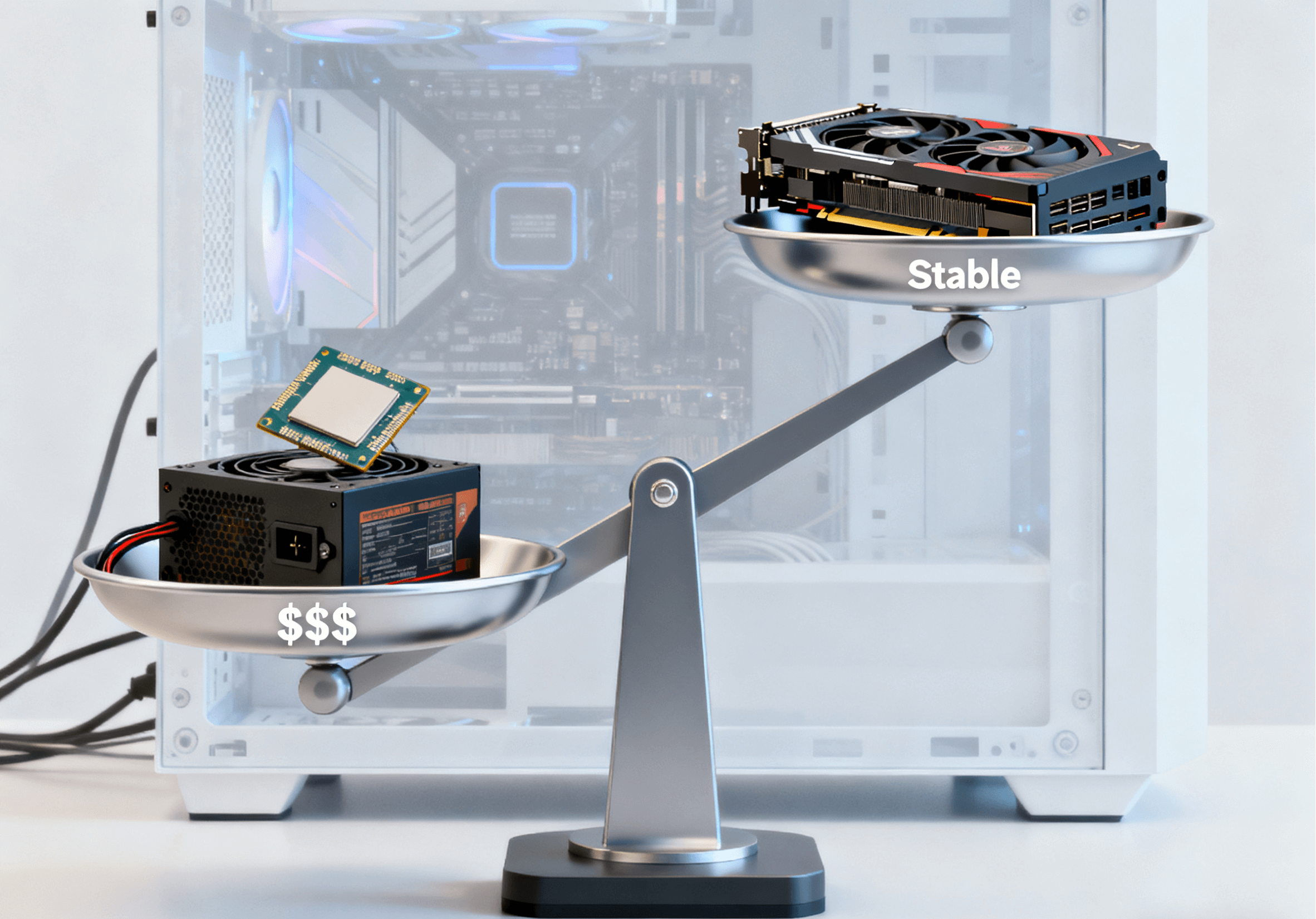
Building a gaming PC in 2025: CPUs and power supplies took the budget
GPU prices cooled off, but strong processors and reliable PSUs now eat the build budget. What changed and how to plan.

From "Souls-like" to "Metroidvania": do game labels still help?
Genre tags sell games and mislead buyers. Player slang is often sharper than store categories.