
Games and mental health: when my therapist told me to play these titles
Ori, GRIS, Disco Elysium, and other games used in therapy sessions. Not a cure, but a useful tool for some players.
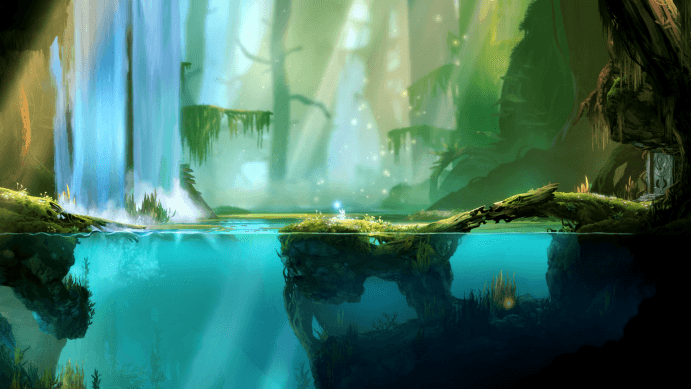
Ori and the Blind Forest
My therapist suggested Ori during a rough stretch. "It will not fix anything," she said, "but it models patience." Repairing a dying forest while failing the same jump ten times felt uncomfortably close to real life. Finishing a hard section anyway taught me to stay with small progress.
GRIS
GRIS has no fail state. Color returns to the world as the protagonist stabilizes. I started in gray and watched red, green, and blue come back level by level. One player described it as watching mood shift from black-and-white to full color. That matched my experience.
Disco Elysium
This detective RPG forces you to negotiate with inner voices: logic, doubt, impulse, shame. Every dialogue choice is a mirror. My therapist framed it as safe rehearsal for self-talk I avoided offline.
Florence
Florence is short and mostly about touch gestures, not combat. It walks through first love, routine, and drift. I finished it on a sofa and sat quietly for a while. It reopened questions about my own relationships I had been postponing.
Kind Words
Kind Words has no progression grind. You write a note about what hurts and strangers reply with encouragement. I once posted about career uncertainty and received five thoughtful responses within an hour.
These games are not medicine. They helped me feel seen when I needed a low-pressure place to think. If one title on this list matches your mood, treat it as a prompt, not a prescription.
Explore on Nextupdates Games
Ready to play? Browse free HTML5 games or read more guides.
Articles on Nextupdates Games are written by our editorial team for entertainment and general education. They are independent editorial content and are not required to link to a specific game on this site. Illustrations are sourced from licensed stock libraries (e.g. Unsplash, Pexels) as credited in captions.
More to read

Common Network Misoperations Causing Unexpected Game Disconnection
Unexpected game disconnection during online mini-games is mostly caused by players’ daily network misoperations instead of platform server faults. Common…

Misunderstanding of Game Star Rating: Does Full Star Mean Perfect Operation?
Most people regard full 3-star level rating as perfect operation with no redundant steps, which is a typical gaming misunderstanding. The official 1-3…

Why Rushing Operation Speed Always Leads to More Game Failures
If you are new, chase fast operation speed blindly, believing higher clicking speed means better game performance. However, blind hasty speed brings…

Ignored Small Game Settings That Affect Final Game Scores
Most people skip built-in game setting pages directly and use default configurations all the time, while several ignored hidden settings a lot affect…